Understanding Vitamins in Daily Life
An educational resource exploring the relationship between vitamins and everyday lifestyle habits among men. This site provides informational context about nutrition awareness in modern daily routines.
Educational content only. No medical services. No promises of outcomes.

Introduction to Lifestyle-Based Nutrition
Vitamins represent a category of organic compounds found in various food sources. Understanding their presence in everyday foods can contribute to general nutritional awareness. This resource examines vitamins from a lifestyle perspective, focusing on how they fit into daily dietary patterns rather than making claims about biological effects.
Men's nutritional habits vary widely based on cultural background, personal preferences, and daily routines. This site explores the informational landscape surrounding vitamins as part of a broader understanding of food choices and lifestyle patterns.
The content here serves purely educational purposes, presenting general information about vitamins in the context of everyday life without providing personalized recommendations or health-related guidance.
Vitamins as Part of Everyday Habits
Daily routines often include various food choices that naturally contain different vitamin compounds. From breakfast selections to evening meals, the foods men consume reflect personal preferences, cultural traditions, and lifestyle circumstances.
Understanding the vitamin content of common foods is part of general nutritional literacy. This knowledge exists within a broader context of how people think about and approach their daily eating patterns.
This section provides an overview of how vitamins appear in everyday dietary contexts, without suggesting specific actions or outcomes.

General Classification of Vitamins
Vitamins are commonly categorized into two groups based on their solubility characteristics. Water-soluble vitamins include the B-complex group and vitamin C, while fat-soluble vitamins encompass vitamins A, D, E, and K.
This classification reflects chemical properties rather than specific functions. Each vitamin exists in various food sources, and understanding this classification helps in recognizing the diversity of nutritional components present in different foods.
The informational value of this classification lies in understanding the variety of compounds that fall under the general term vitamins.
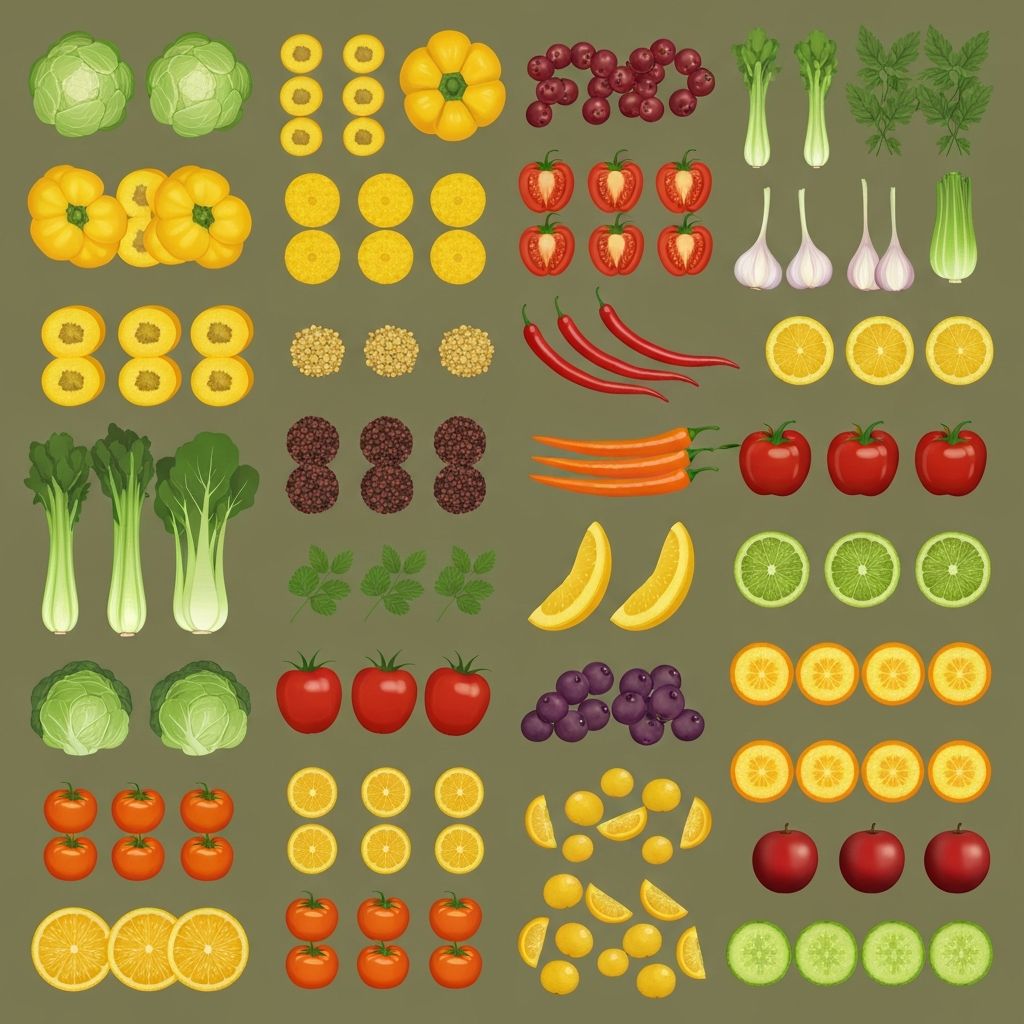
Lifestyle and Dietary Patterns
Men's dietary patterns reflect a complex interplay of factors including work schedules, cultural background, personal preferences, and social contexts. These patterns vary significantly across different populations and individual circumstances.
The role of vitamins in these patterns is one aspect of overall nutritional awareness. Understanding where vitamins appear in common foods forms part of general knowledge about nutrition, without implying specific dietary directives.
This resource acknowledges the diversity of approaches to daily eating and the various factors that influence food choices in contemporary life.

Vitamins Within Men's Lifestyle Context
The presence of vitamins in daily life connects to broader questions about food awareness and nutritional literacy. Men engage with these topics in various ways, depending on their interests, backgrounds, and circumstances.

Nutritional Awareness
Understanding the nutritional composition of foods represents one aspect of contemporary lifestyle awareness. This includes general knowledge about vitamin content across different food categories.
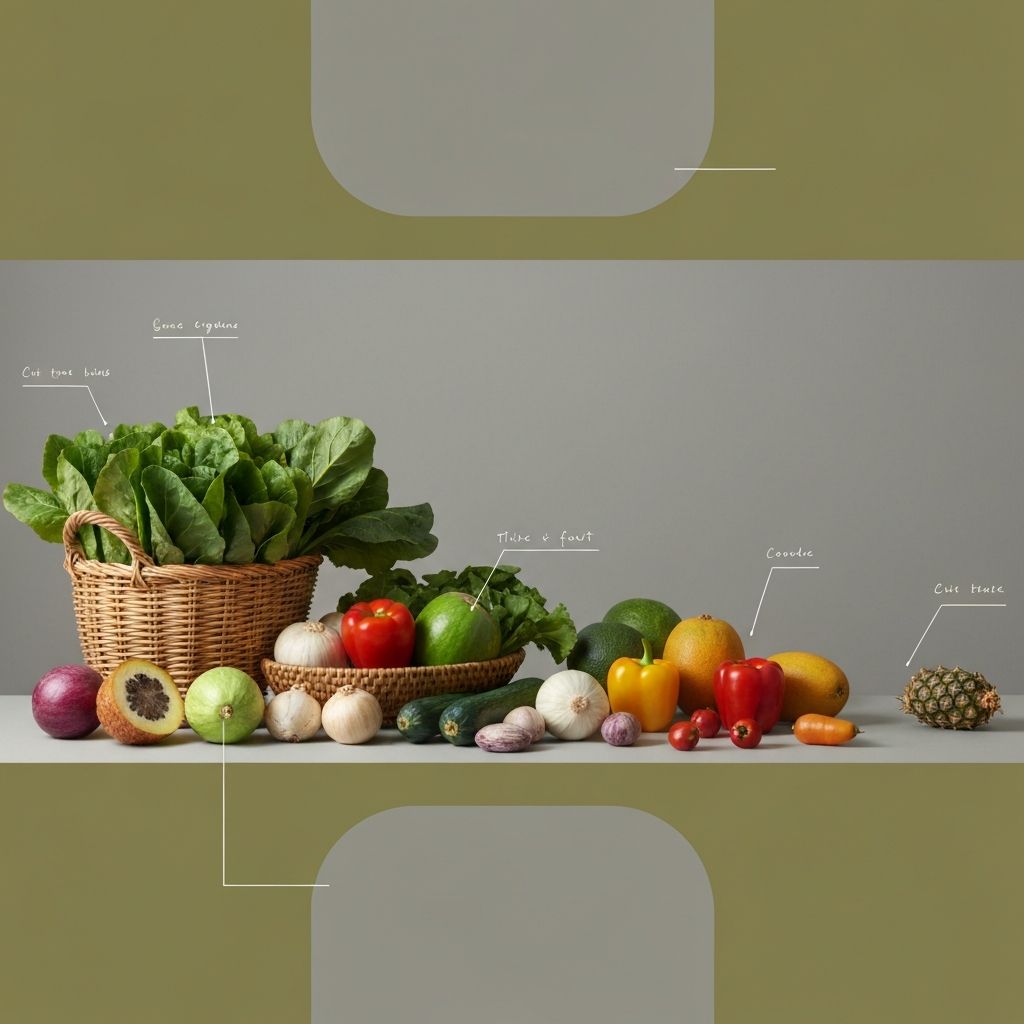
Food Source Diversity
Vitamins appear in a wide range of food sources, from fruits and vegetables to grains, legumes, nuts, and animal products. This diversity reflects the complexity of nutritional landscapes.
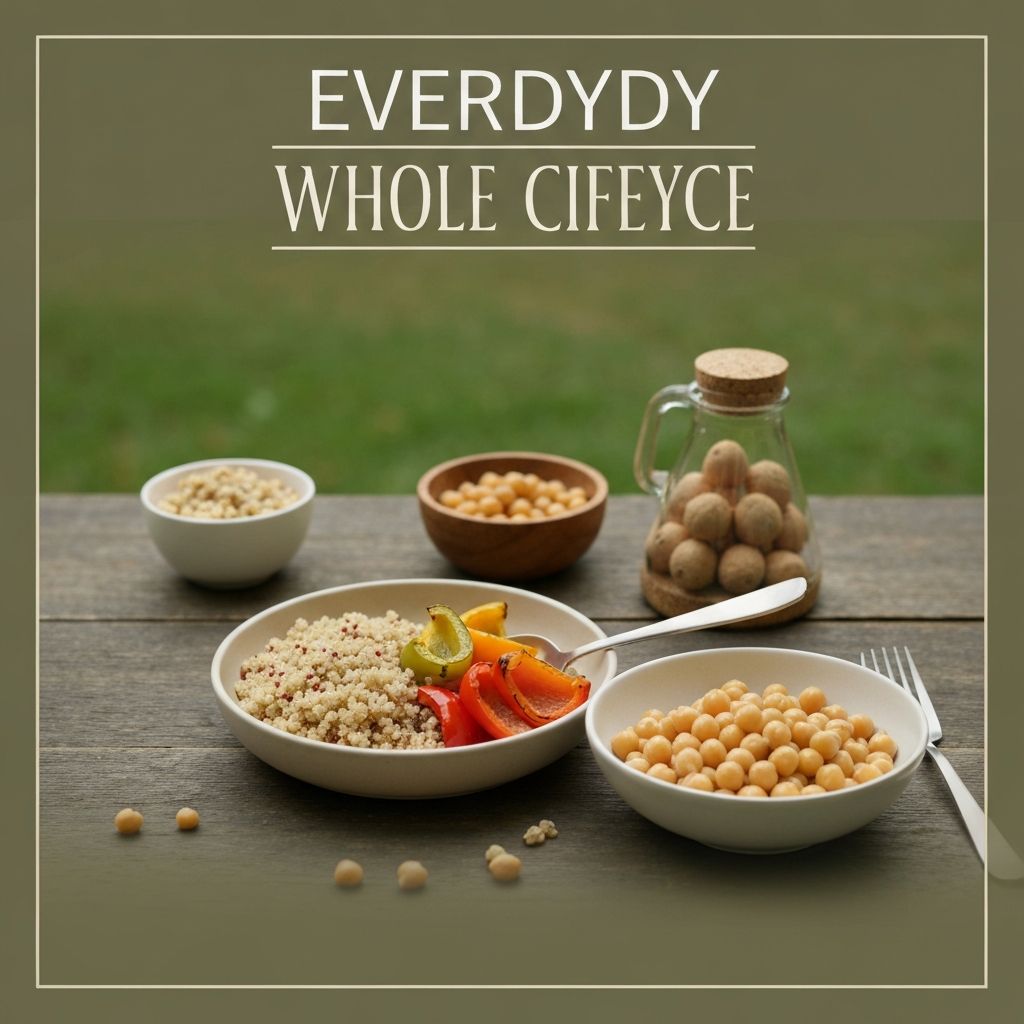
Daily Dietary Context
How vitamins fit into daily eating patterns varies based on individual food choices, meal timing, and personal preferences. This context is informational rather than prescriptive.
Cultural Perspectives on Daily Routines
Different cultures have distinct approaches to food and nutrition. Traditional dietary patterns from various regions naturally incorporate different vitamin-containing foods based on local availability and culinary traditions.
Understanding these cultural contexts enriches the general knowledge about how vitamins appear in everyday eating across different populations. This perspective emphasizes diversity rather than uniformity in dietary approaches.
The informational value here lies in recognizing the variety of ways people engage with food and nutrition in their daily lives.

Food, Habits, and Environment
The foods people choose are influenced by multiple factors including availability, affordability, cultural background, and personal taste preferences. Environmental and seasonal factors also play roles in food selection.
Vitamins naturally occur in foods affected by these same factors. Understanding this broader context helps frame nutritional awareness as part of a complex system of influences on daily eating habits.
This section provides context about the various elements that shape food choices and dietary patterns in everyday life.

Informational View on Balance and Variety
Dietary diversity represents a common theme in nutritional discussions. The concept of variety in food choices relates to exposure to different nutritional components, including various vitamins.
From an informational standpoint, understanding the presence of different vitamins across various food groups provides context for thinking about dietary variety. This knowledge exists independently of specific dietary recommendations.
The educational value lies in recognizing patterns and relationships within the broader landscape of food and nutrition.
Reading Ingredient Labels: General Notes
Food labels often include information about vitamin content. Understanding how to read these labels forms part of general consumer literacy regarding packaged foods.
Labels may list vitamins by their common names or chemical designations. Percentages shown typically reference standardized daily values, which represent general population averages rather than individualized recommendations.
This informational context helps in understanding what labels communicate without implying specific actions based on that information.

Frequently Asked Questions
What is the purpose of this resource?
This site provides educational information about vitamins in the context of daily lifestyle and dietary patterns among men. It serves as an informational resource without offering services, products, or personalized recommendations.
Does this site provide dietary recommendations?
No. This resource presents general information for educational purposes only. It does not provide personalized recommendations, dietary advice, or guidance for specific individuals.
What type of information can I find here?
The site contains informational content about vitamin classification, food sources, cultural contexts, and general nutritional literacy topics related to everyday lifestyle patterns.
Is this information intended to replace professional consultation?
No. This site provides general educational content only. It does not replace or substitute for professional consultation of any kind. Individuals should make their own informed decisions based on their unique circumstances.
Who creates the content on this site?
Vitaria is an educational resource focused on presenting informational content about vitamins and lifestyle topics in a neutral, descriptive manner.
Limitations and Context
The information presented on this site serves educational purposes only. All content is general in nature and does not constitute personalized recommendations, advice, or guidance of any kind.
Individual circumstances, preferences, and situations vary widely. What applies in one context may not be relevant in another. Readers should recognize that this material provides informational context rather than directives for action.
This resource does not replace professional consultation or individualized assessment. The content here does not make claims about outcomes, effects, or results of any kind.
Approaches to nutrition and lifestyle vary significantly across different populations, cultures, and individuals. This site acknowledges that diversity and does not advocate for any particular approach over others.
Continue Exploring
Learn more about the informational context of vitamins in everyday life.
Read more